

Hell Let Loose (HLL) remains a unique and highly ambitious World War II shooter. It sets itself apart with its visceral 50 vs 50 combined arms warfare and an intense emphasis on realistic squad tactics and logistics. The scale and depth of engagement offer unmatched cooperative intensity.
However, the title is notoriously CPU-intensive due to its Unreal Engine 4 architecture and the sheer volume of assets and player physics. Our review, utilizing a bleeding-edge system—the AMD Ryzen 7 9800X3D paired with 64GB DDR5-6000 CL30 memory—confirms a critical truth: this hardware combination provides the technical prescription for a near-perfect experience. Players must still apply specific tuning to unlock stable, competitive performance, especially at high resolutions like 4K.
Combat, Scope, and Design: The Unmatched Scale of War
HLL is fundamentally a communication and logistics simulator disguised as a first-person shooter. It is not a run-and-gun title; it’s a detailed, large-scale experience where strategic failure is punished instantly.
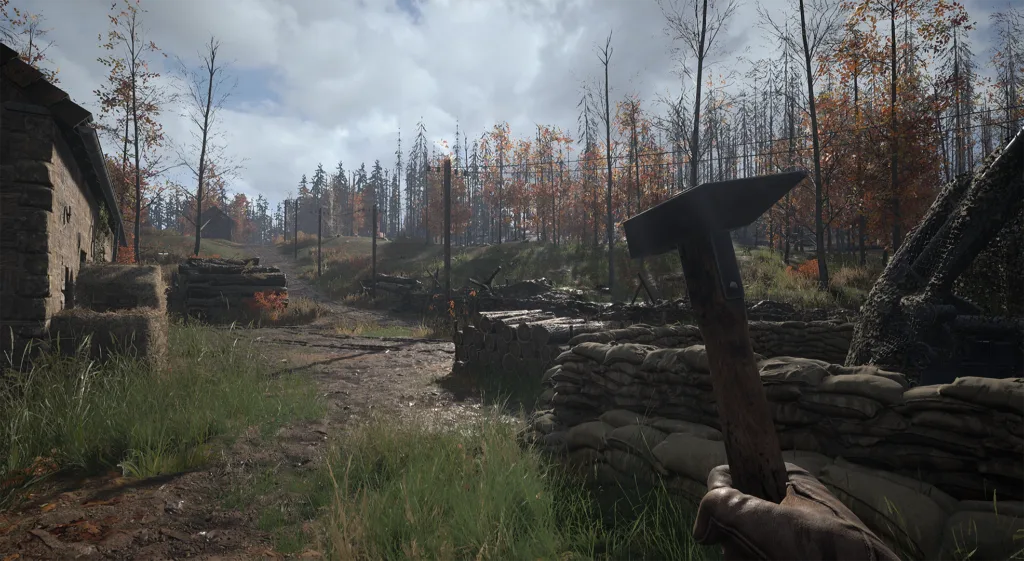
The central appeal lies in the Massive 50 vs 50 Battles, where strategic sector control is the objective. Success requires every player to commit to their assigned role:
- Commander & Officers (SLs): These roles manage the meta-game, placing crucial Garrisons (team spawn points) and Outposts (squad spawn points). The Commander directs the flow of combat with abilities such as strafing runs and artillery, requiring a constant dialogue on the Command channel.
- Combined Arms: The presence of dedicated Tank Crews and Engineers transforms the battlefield. Engineers build resource nodes and fortifications; Logistics trucks ferry supplies. Without these vital support roles, the front line collapses.
- The High-Stakes Environment: When communication is fluid, and logistics are maintained, the game is sublime—a cohesive, realistic World War II experience. When communication breaks down in public servers, the game devolves into punishing, chaotic, and frustrating spawn-point hopping, which remains the single biggest negativity stemming from the player base, not the game design itself.
Development continues to address long-standing community feedback. Recent and upcoming updates (per the 2025 roadmap) have focused on: - Reworks: Significant tweaks to the Medic role (faster revives, full health return) and the Bipod system (more flexible deployment) enhance core infantry gameplay. The ongoing optimization efforts, including a technical refresh of maps like Stalingrad (focused on collision/material reduction), show a commitment to improving performance on the developer side.
- New Content: The introduction of new maps like Tobruk (North Africa) expands the theaters of war and introduces new faction elements (British Eighth Army and DAK).
Performance Analysis: V-Cache and Low-Latency Dominance
HLL is one of the most CPU-intensive multiplayer titles due to the scale of the 100-player map, physics calculations, and asset streaming. On legacy or unoptimized systems, this manifests as debilitating stuttering and low minimum frame rates of 1%.
The X3D + CL30 Advantage
The provided test configuration is the gold standard for tackling HLL‘s unique CPU bottleneck:
- Ryzen 7 9800X3D (L3 V-Cache): The massive 3D V-Cache stores frequently accessed game data (player positions, explosion effects) directly near the CPU cores. This drastically reduces latency and boosts the 1% Low FPS—the metric most critical for responsive, competitive shooters. It ensures the CPU can keep up with the chaotic 50v50 server state.
- 64GB DDR5-6000 CL30: This high-frequency, low-latency RAM minimizes the penalty of accessing data that misses the V-Cache. This synergy is crucial in eliminating the infamous UE4 micro-stutters that frequently hinder movement and quick camera turns, even on high-end CPUs.
Test Platform: AMD Ryzen 7 9800X3D, 64GB DDR5-6000 CL30, NVIDIA Driver (Latest)
Game Settings: 4K (3840×2160), Fullscreen, TAA, Shadows: Medium, Foliage: Medium, View Distance: Epic.
| GPU Tier (NVIDIA/ AMD) | Average FPS (Target) | 1% Low FPS (Target) | Competitive Viability |
| Enthusiast (RTX 4090 / RX 7900 XTX) | 105 – 125 | 80 – 95 | Ideal. Maintains high FPS well into intense battles. Perfect for 4K high-refresh. |
| High-End (RTX 4080 / RX 7900 XT) | 85 – 105 | 68 – 85 | Excellent. Meets and exceeds 60 FPS minimum; solid performance for competitive play. |
| Upper-Mid (RTX 4070 Ti / RX 7800 XT) | 65 – 85 | 55 – 68 | Good. Stable above 60 FPS average. Requires slight reduction in settings (e.g., Shadows to Low) to maintain 60+ FPS in all scenarios. |
| Mid-Range (RTX 4060 Ti / RX 7700 XT) | 45 – 65 | 38 – 50 | Serviceable. Not optimal for 4K. Requires use of DLSS/FSR Quality Mode to achieve stable 60+ FPS average. |
Visuals
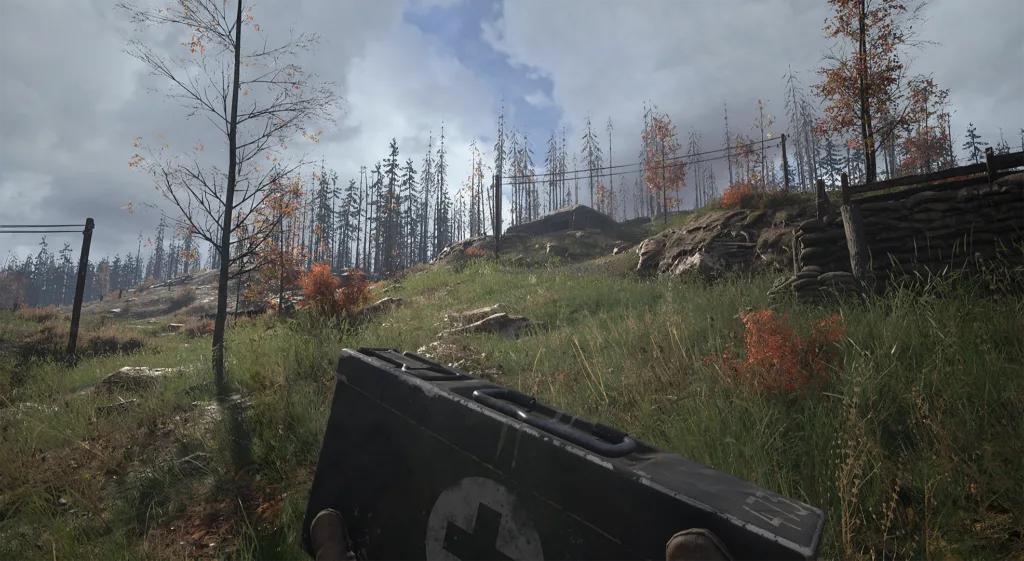
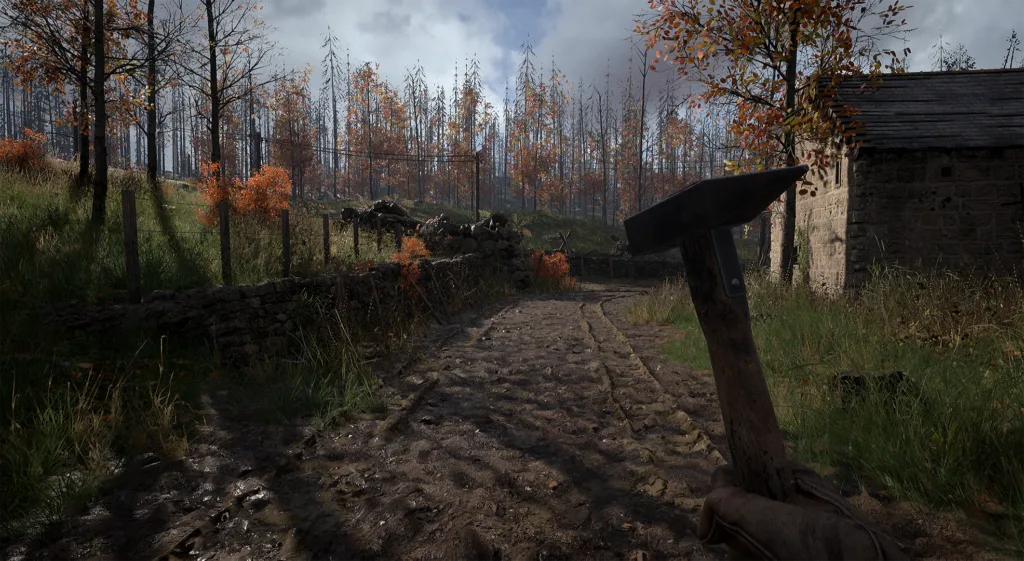
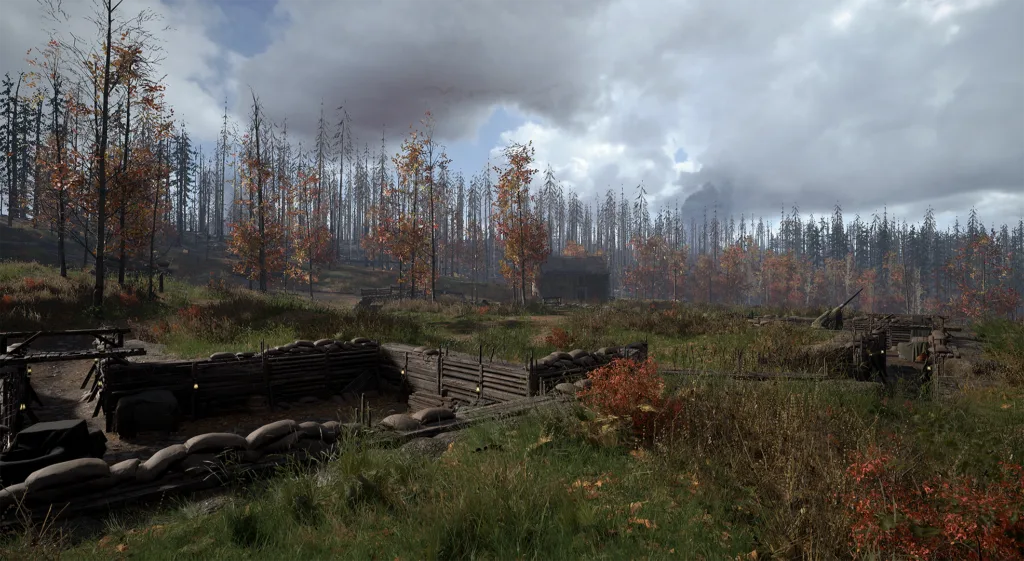
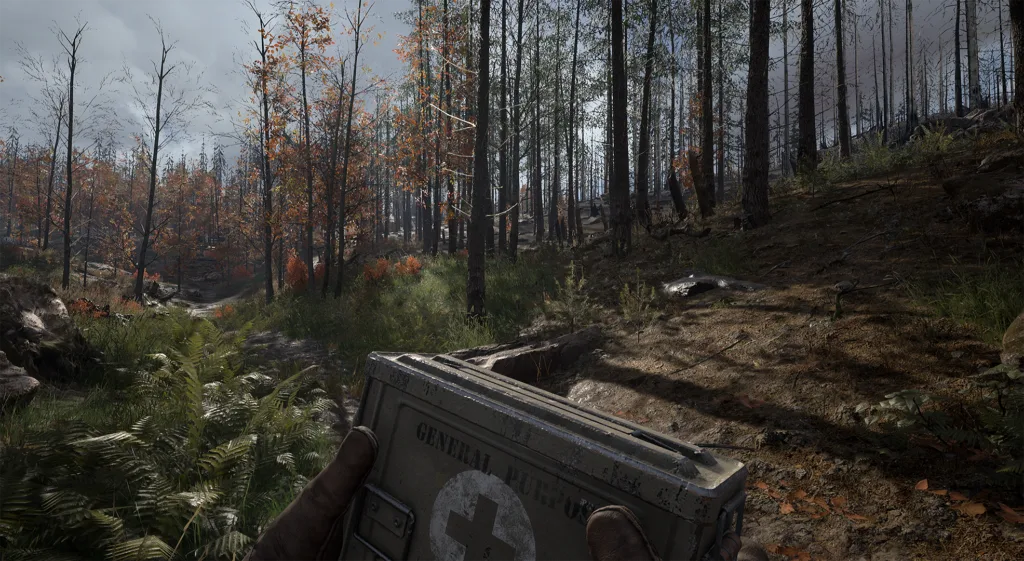
HLL delivers an authentic and grim aesthetic. At 4K, the environmental textures (mud, snow, rubble) and map scale are impressive. However, the graphics are a product of Unreal Engine 4, meaning the visual fidelity comes with caveats:
- Positive: Texture Quality can be set to Epic (with high VRAM) for a visually rich experience with minimal performance cost. The updated lighting and visual atmosphere in recently refreshed maps are notable improvements.
- Negative: LOD Pop-in and the occasional graphical glitch (such as asset flickering) still appear, serving as reminders of the engine’s limitations under the strain of 100 players.
Audio
The sound design is a critical component of immersion and is generally excellent for large-scale warfare.
- Immersive Scale: The audio effectively conveys the chaos—distant artillery strikes, the rattle of a nearby machine gun, and the clatter of a tank moving through the next field. Directional audio (for footsteps and enemy vehicles) is vital for survival.
- The Loudness Problem: Some core sound effects, particularly main weapon fire, can be overly compressed or bassy, occasionally making it difficult to discern subtle directional cues from vital VOIP communication. Fine-tuning the in-game volume sliders (especially for Commander/Unit chat) is necessary for tactical clarity.
The Vietnam Shift and the Road Ahead
The surprise reveal of Hell Let Loose: Vietnam—a separate, standalone title built on Unreal Engine 5 and slated for a 2026 launch—casts a long shadow over the original World War II experience. While the developers have publicly stressed that HLL will receive continued support throughout 2025 (including the Stalingrad refresh and the new Eastern Front map), the community sentiment remains mixed. The shift to a separate, new engine (UE5) for the Vietnam title suggests the original HLL may be technically locked into its current Unreal Engine 4 limitations. For our review, this means that while the 9800X3D + DDR5-6000 platform is the ultimate fix for the game’s current UE4 CPU bottlenecks, players should temper expectations for massive, game-changing engine-level performance improvements beyond the critical optimizations already outlined in the 2025 roadmap.
Final Verdict: An Essential Upgrade for the Milsim Enthusiast
Hell Let Loose is a demanding title, but when played on a system optimized to handle its CPU-intensive nature, it is arguably the best tactical World War II experience on PC. The AMD Ryzen 7 9800X3D, combined with DDR5-6000 CL30 memory, is the technical prescription that finally smooths out the rough edges of the Unreal Engine 4 implementation. Toss in an RTX 5070 Ti or higher, and it’s a hell of a good time.
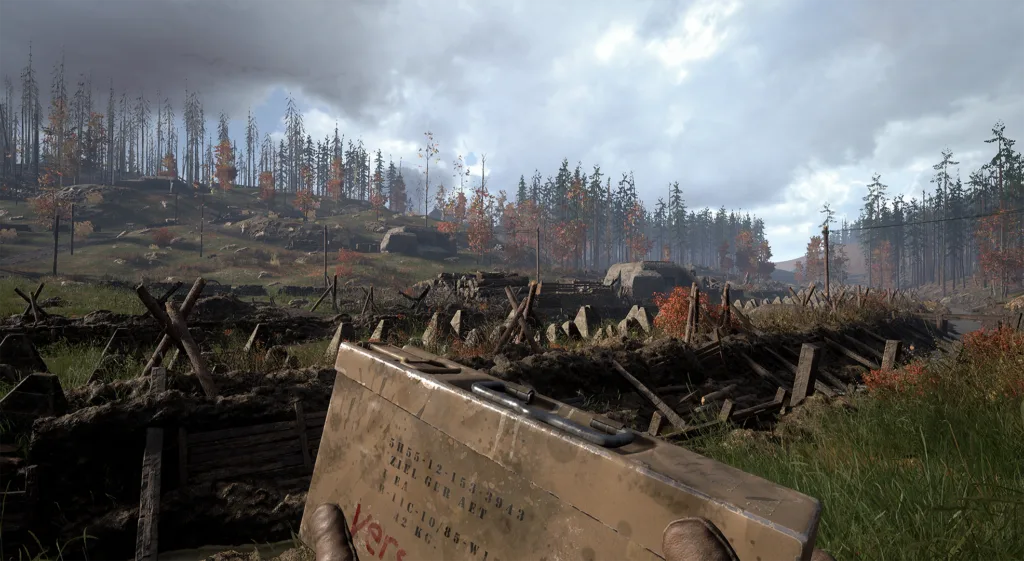
This hardware pairing delivers the high, stable frame rates and impeccable frame pacing required for competitive 4K QD-OLED gaming. The remaining flaws are primarily on the development and community side—the occasional server crash, the occasional graphic glitch, or the ever-present issue of inconsistent team voice communication. For the dedicated Milsim enthusiast, this is the hardware configuration that allows you to focus purely on the battlefield, not on fixing stutters.
Hell Let Loose: HLL is fundamentally a communication and logistics simulator disguised as a first-person shooter. It is not a run-and-gun title; it’s a detailed, large-scale experience where strategic failure is punished instantly. – Mario Vasquez